
The Art of Conference Planning: Turning Chaos into Collaboration

In the world of corporate gatherings and networking events, conference planning stands as both a challenge and an opportunity. Many may view it as a daunting task filled with endless to-do lists, but at its core, effective conference planning is an art that can transform a chaotic concept into a seamless and memorable experience.
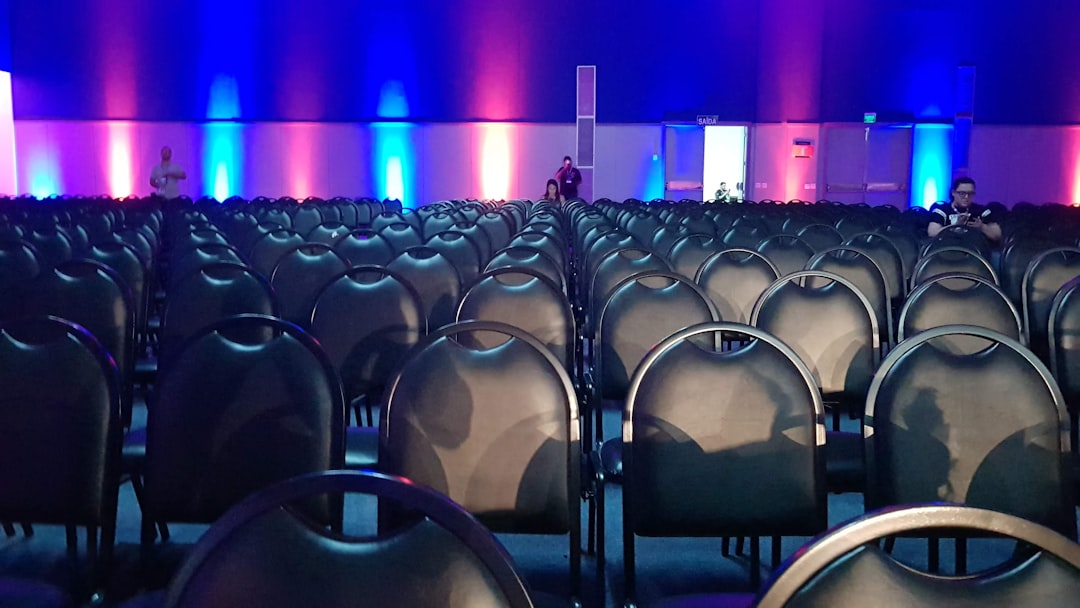
Imagine walking into a beautifully orchestrated venue where every detail is taken care of—from the seating arrangements to the audiovisual setup, from the catering menu to the guest speakers. Such an event does not happen by accident; it is the result of meticulous planning, a keen understanding of the audience, and a strategic approach to logistics.
So, how do you elevate your conference planning from ordinary to extraordinary? Here are some key elements to consider:
### 1. Define Your Goals
Before you even think about venues or themes, take a moment to clarify your objectives. Are you aiming to educate, inspire, or foster networking? Perhaps you want to launch a new product or gather feedback on existing services? Knowing your end goals will guide every decision moving forward, from the speakers you choose to the layout of the space.
### 2. Budget Wisely
Budgeting can be the make-or-break aspect of conference planning. It’s essential to set a realistic budget that encompasses all aspects of the event, including venue rental, catering, technology, marketing, and contingencies. There are budget-friendly options available that do not compromise quality. Consider hosting your event in a community center or a local university auditorium to cut costs while still providing an engaging environment.
### 3. Choose the Right Venue
The venue can set the tone for your conference. Choose a location that resonates with your theme and accommodates your audience comfortably. Look for spaces that offer flexibility in terms of layout and technology. If you want to reduce your carbon footprint, consider venues that prioritize sustainability or even outdoor settings that embrace nature.
### 4. Engage with Attendees
Today’s conference attendees crave interaction. Move beyond passive listening by incorporating workshops, breakout sessions, and panel discussions into your agenda. Utilize interactive technology like live polling and Q&A sessions to keep the audience engaged. Remember, the goal is to create a collaborative environment where attendees feel valued and heard.
### 5. Embrace Technology
In our digital age, leveraging technology can significantly enhance the conference experience. Consider virtual attendance options for those who cannot be there in person. Use event management software to streamline registration and communication, and incorporate social media to keep the conversation going before, during, and after the event. The right technology can also aid in data collection, helping you assess the event’s success through attendee feedback.
### 6. Focus on the Experience
A successful conference is more than just an exchange of information; it’s about the experience you create for your attendees. Think about the little details that make a big impact, such as welcome kits, networking opportunities, and even the aesthetics of the space. How about a themed dinner that reflects the overall purpose of the conference? Crafting a memorable experience can lead to lasting connections and an increase in attendee satisfaction.
### 7. Post-Conference Follow-Up
Don’t let the momentum of your conference fizzle out after the last speaker has left the stage. Plan for a post-conference follow-up that includes sending out thank-you notes, sharing recorded sessions, and gathering feedback through surveys. This not only shows appreciation but also keeps the dialogue alive and sets the stage for future interactions.
In conclusion, conference planning is a multifaceted endeavor that, when done correctly, can yield remarkable results. It is an opportunity to create an engaging environment where ideas flourish, relationships are built, and innovation thrives. By setting clear goals, budgeting wisely, choosing the right venue, embracing technology, and focusing on attendee experience, you can turn what might seem like a chaotic process into a symphony of collaboration. So roll up your sleeves and start planning your next conference—it could be the catalyst for change in your industry.