The Art of Convention Planning: Crafting Experiences That Inspire

In today’s fast-paced world, conventions serve as a pivotal platform for networking, learning, and sharing innovative ideas. Yet, the true essence of a successful convention goes beyond just booking a venue and sending out invitations. It requires meticulous planning, creativity, and a clear vision of what you aim to achieve. Whether you’re a seasoned planner or venturing into this arena for the first time, understanding the nuances of convention planning can make a significant difference in the overall experience for attendees.
Let’s dive into the art of convention planning, exploring unique perspectives that can help transform your next event into a memorable experience.
**Understanding Your Audience**
Before even thinking about venues or themes, the first step in convention planning is to understand your audience. Who will be attending? What are their interests, needs, and expectations? A successful convention caters to its audience by providing content and experiences that resonate with them. Conduct surveys, engage with potential attendees on social media, and gather insights to help shape your convention’s direction.
**Setting a Budget Without Losing Your Mind**
Budgeting is often the most daunting aspect of planning a convention. However, it doesn’t have to be. Begin by identifying all potential expenses, including venue rental, catering, audio-visual equipment, promotional materials, and speaker fees. Prioritize essential items and explore budget-friendly options. Consider seeking sponsorships to alleviate costs; many companies are willing to partner with events that align with their brand.
For example, using a local venue instead of a popular tourist location can save significant funds while also supporting the community. Be resourceful and think creatively—collaborate with local vendors or utilize in-house resources whenever possible.
**Choosing the Right Venue**
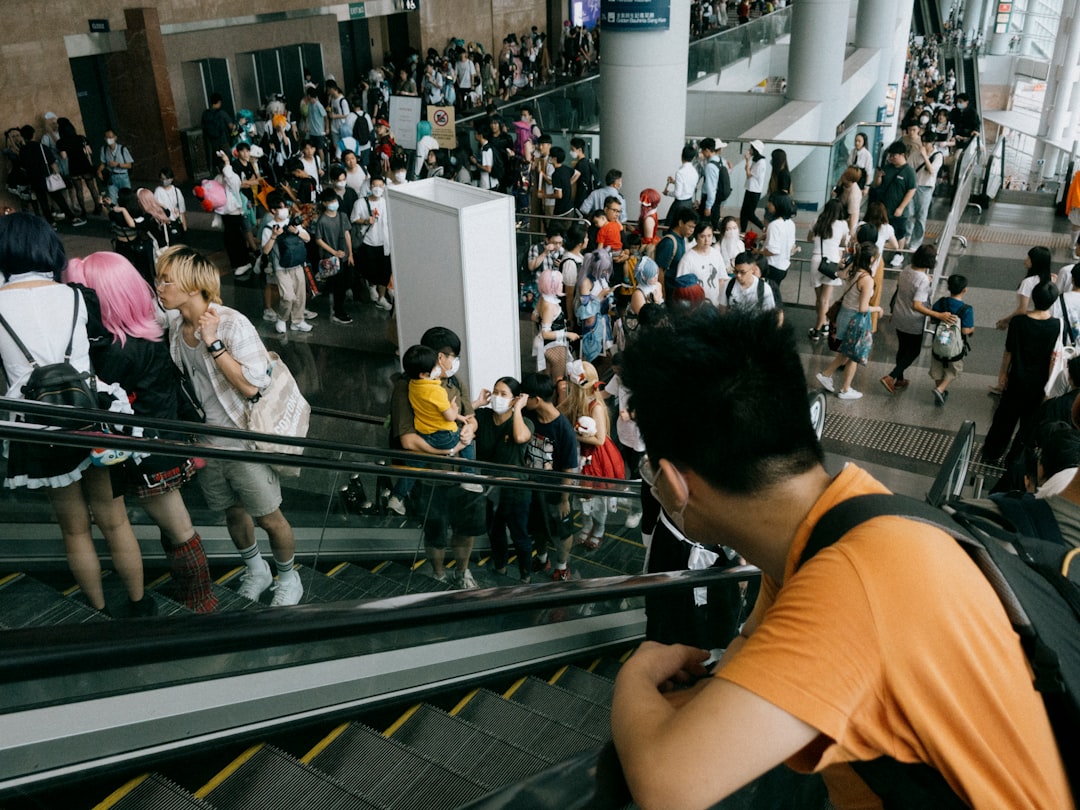
The venue sets the tone for your convention. Depending on the size and type of your event, select a space that is accessible and reflects the overall vibe you wish to create. For smaller, intimate gatherings, consider cozier spaces like community centers or art galleries. For larger conventions, opt for convention centers that can accommodate various activities and sessions.
Ensure that the venue has the necessary technology to support your needs, including Wi-Fi, sound systems, and lighting. If the venue offers unique spaces, such as outdoor areas or breakout rooms, think about how you can leverage these for workshops or networking sessions.
**Creating Engaging Content**
Content is king in the world of conventions. Attendees are looking for valuable insights, industry trends, and networking opportunities. Curate a lineup of speakers who are not only knowledgeable but also engaging. Consider including interactive workshops or panels that encourage participation.
Additionally, think about incorporating multimedia presentations or live demonstrations to keep energy levels high and maintain interest. Don’t shy away from experimenting with formats—podcasts, Q&A sessions, and even unconventional activities can foster deeper connections among attendees.
**Sustainability Matters**
As awareness of environmental issues continues to grow, integrating sustainability into your convention planning can be a game-changer. Opt for eco-friendly materials for promotional items, minimize waste by using digital resources, and consider catering options that focus on local and organic foods. Not only does this approach resonate with environmentally conscious attendees, but it can also enhance your brand’s reputation.
**Leveraging Technology**
In the digital age, technology plays an integral role in convention planning. From online registration platforms to event apps that facilitate networking, the right tools can enhance the attendee experience. Live streaming sessions or offering on-demand access to recorded content allows attendees who cannot physically attend to participate, broadening your reach. Use social media to keep your audience engaged before, during, and after the event, creating a buzz that lasts well beyond the convention.
**Post-Convention Engagement**
Once the convention wraps up, don’t let the conversation die. Follow up with attendees through thank-you emails, surveys for feedback, and highlights of key sessions. Share photos and videos to keep the excitement alive and to promote future events. Gathering insights from attendees can also provide invaluable information for improving future conventions.
In conclusion, convention planning is an art that combines strategic thinking, creativity, and a deep understanding of your audience. By prioritizing engagement, sustainability, and innovative approaches, you can craft an unforgettable experience that inspires, educates, and connects people. So roll up your sleeves, start planning, and prepare to make your next convention a landmark event!